
How Velum Fermentation Turned Nearly 10,000 Pounds of Rescued Berries Into Hard Cider
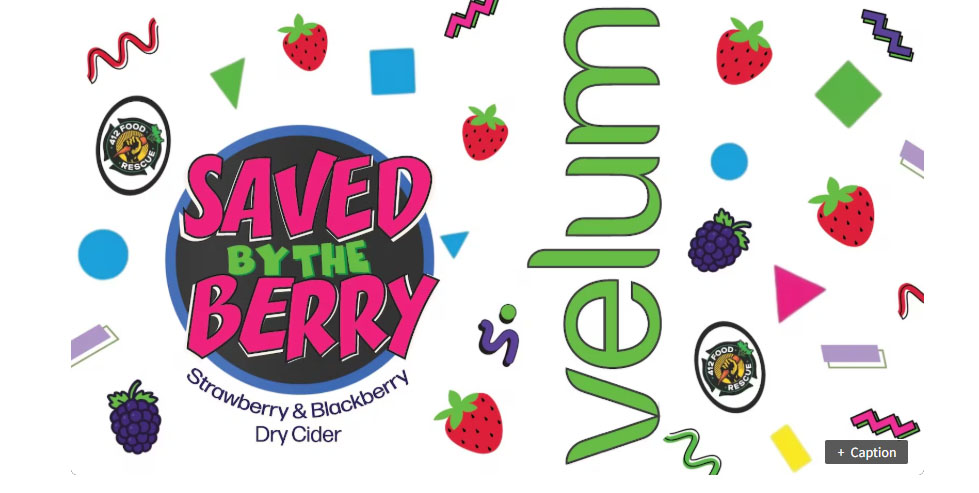
Somewhere between the farm and the grocery shelf, perfectly good fruit disappears. It gets left behind because it’s the wrong size, the wrong color, or simply arrived in quantities too large for the market to absorb. For years, those berries would have rotted in a field or ended up in a landfill. But at Velum Fermentation, that fruit has a new destination: your glass.
In what may be one of the most flavorful acts of food rescue in the craft cider world, Velum Fermentation sourced and fermented nearly 10,000 pounds of rescued berries — fruit that was perfectly ripe, bursting with flavor, and completely unwanted by the conventional food supply chain. The result? A lineup of small-batch hard ciders that taste as good as the story behind them.
Why Rescued Fruit Makes Better Cider
Here’s a fun secret of the cider world: fruit that’s been rejected for cosmetic reasons is often more flavorful than what you’d find in a supermarket bin. Berries that are too ripe for transport, too small for a produce aisle, or too abundant for a single buyer often have higher sugar concentrations, more complex aromatics, and deeper color — exactly the traits that make a memorable ferment.
“We’re not making cider from what’s leftover. We’re making cider from what’s been overlooked — and there’s a real difference.”
At Velum, the philosophy has always been that great cider starts with great fruit. Rescued berries aren’t a compromise — they’re an opportunity. And when you’re working with nearly five tons of them, the opportunity is significant.
The Berries Behind the Batch
The rescued haul wasn’t just one variety. Velum brought in a mix of surplus berries from local and regional growers, giving each cider in the series its own distinct character. Here are the berries:
Blueberries
Strawberries
Tart Cherries
Blackberries
Concord Grapes
Elderberries
Aronia Berries
Each variety brings something different to the fermentation process. Blueberries lend a soft, jammy sweetness. Tart cherries add structure and a pleasing acidity. Elderberries — one of nature’s most underappreciated fermentables — give depth and a wild, almost floral earthiness. Together, they form the backbone of Velum’s most ambitious cider series to date.
If Harry Chapin were alive, he would write a song about this. Click Here
From Surplus to Cellar: How It Works
Sourcing rescued fruit at this scale takes coordination. Velum works directly with growers who have more fruit than they can sell — a situation that happens more often than most people realize. A bumper crop, a canceled contract, a heat spell that accelerated ripening ahead of harvest crews — any of these can leave a farmer with tons of perfectly good fruit and nowhere to send it.
Once the fruit arrives at Velum’s cidery, it’s sorted, processed, and cold-stored to preserve freshness before fermentation. The team presses the berries alongside base apple must, creating a layered ferment that captures both the tannin structure of apple cider and the vivid, juicy aromatics of the rescued berries. Fermentation is slow and cold, allowing flavors to develop without being driven off by heat.
The result is a cider that’s genuinely hard to replicate — not just because of the craft, but because the specific combination of rescued fruit, season, and farm will never be exactly the same twice. Every batch is, in the truest sense, a limited edition.
The Bigger Picture: Cider as a Climate-Friendly Drink
Food waste is one of the most underappreciated contributors to greenhouse gas emissions. When fruit rots in a field or landfill, it releases methane — a greenhouse gas far more potent than carbon dioxide over a short time horizon. By intercepting surplus berries before they reach that fate, Velum is doing something that sounds simple but matters enormously: keeping good fruit in the food system.
It’s also a model that other craft beverage makers are watching closely. Cideries, wineries, and breweries are increasingly well-positioned to absorb surplus agricultural products — they have the cold storage, the fermentation infrastructure, and the consumer base willing to pay for something with a story. Velum is showing what that looks like in practice, at real scale.
“Nearly 10,000 pounds of berries didn’t go to waste this season. They went into something people will open, pour, and share. That feels like exactly the right ending for that fruit.”
What to Expect in the Glass
So what does a rescued-berry cider actually taste like? The short answer: vibrant, complex, and deeply satisfying. These aren’t ciders that whisper “berry” in the background — they lead with fruit, with color, with flavor. Expect deep jewel tones in the pour, aromas that lean toward fresh-picked and jam-like, and a finish that balances the natural sweetness of the berry with the clean, dry backbone that defines Velum’s house style.
Whether you’re a cider veteran or someone who’s only ever picked up a can at a summer barbecue, the rescued berry series is a genuinely exciting place to explore what hard cider can do when it’s made with intention — and fruit with a story worth telling.
How to Get Your Hands on One of These Ciders.
The rescued berry ciders are available in limited quantities through Velum’s taproom and select retail partners. Given the nature of surplus sourcing, production runs are finite — when the fruit is gone, the batch is gone. These are ciders worth seeking out before they disappear as quickly as the berries that made them possible.

About Velum Fermentation
Velum Fermentation isn’t just a name — it’s a philosophy born from over a decade of passion, persistence, and perfectly pulled pints. Co-founded by president and head brewer Nate McLaughlin and chief operating officer Jenna McLaughlin, Velum draws its identity from the ancient “flor” veil of wild yeast that crowns traditional sherry casks — a fitting metaphor for a brewery that sees every batch as a living collaboration between brewer and microorganism. Nate’s brewing journey spans more than a decade across the country, with stints at celebrated operations like Deschutes Brewing in Oregon and Victory Beer in Pennsylvania, while Jenna brings a biology background and a brewing technology certificate from the Siebel Institute, overseeing quality control and barrel projects. Together, they’ve built more than a brewery — tucked inside a massive refurbished warehouse on Pittsburgh’s South Side, Velum is a neighborhood hub where great beer shares the floor with pickleball courts, arcade games, farmers markets, and a steadfast commitment to community. At Velum Fermentation, the veil has been lifted — and what’s underneath is something truly worth raising a glass to.
Velum Fermentation
Address: 2120 Jane Street
Pittsburgh, PA 15203
Website: www.velumfermentation.com
